

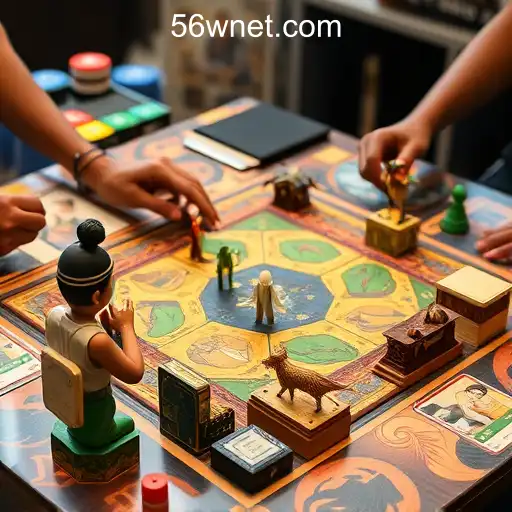
The Evolution and Impact of Tabletop Games
Introduction to Tabletop Games
Tabletop games have long been a source of entertainment, strategic thinking, and social interaction. From ancient times to the modern era, these games have evolved, offering players a wide array of choices beyond traditional options. As these games continue to gain popularity, especially in regions like Brazil, it becomes essential to understand their influence and significance in today's entertainment landscape.
Historical Origins
The history of tabletop games dates back to ancient civilizations. Games such as Senet and Mancala were favorites in societies like Egypt and Africa, serving as a testament to humanity's enduring love for strategic challenges. These early games laid the groundwork for many of the classics we enjoy today, providing not just entertainment but also insights into cultural values and societal norms.
The Diversity of Tabletop Games
Board Games
Board games form a substantial part of the tabletop genre. They range from simple, family-friendly games like Monopoly to more complex ones such as Settlers of Catan. These games often involve strategic planning and negotiation, making them popular among families and friends.
Card Games
Card games, like Poker and Bridge, emphasize skill and chance. They have transitioned over time to include collectible and customizable options, such as Magic: The Gathering, which attracts players looking for both casual and competitive play.
Role-Playing Games (RPGs)
RPGs like Dungeons & Dragons have a unique position in the tabletop world. They offer expansive storytelling possibilities, where players create their narratives within set guidelines. This genre has seen a resurgence in popularity, owing much to digital influences and streaming platforms that showcase gameplay.
The Influence of Technology
In recent years, technology has played a crucial role in reshaping tabletop games. Many traditional games have digital counterparts, allowing players to experience them online or via mobile apps. In Brazil, where the demand for online gaming is growing, platforms like 56W.COM jugar slot online Brasil provide a blend of traditional and digital gaming experiences.
Moreover, technology has facilitated the development of board game simulators and online RPG sessions, enabling communities across the globe to connect regardless of physical distance. This shift has made tabletop games more accessible, attracting a diverse audience that might not have engaged with them otherwise.
Social and Cultural Impact
Tabletop games offer more than just recreational value. They serve as tools for education, fostering important skills such as teamwork, strategic thinking, and problem-solving. Educational institutions use games to enhance learning environments, while businesses incorporate them into team-building exercises.
Culturally, tabletop games have been a medium for exploring social issues, reflecting societal changes, and promoting inclusion and diversity. Games like Gloomhaven and Dead of Winter incorporate complex narratives that mirror real-world challenges, offering players a platform for reflection and discussion.
The Role of Community
One of the defining features of tabletop games is their ability to bring people together. Dedicated communities often form around specific games, hosting events and tournaments that foster camaraderie and competition. In countries like Brazil, these communities are integral to the gaming scene, showcasing a blend of traditional, digital, and hybrid experiences.
Conclusion
The realm of tabletop games is as diverse and engaging as ever, with each game providing unique entertainment and learning opportunities. As seen in places like Brazil, the integration of digital platforms like 56W.COM jogar slot online Brasil enriches the gaming experience, offering a fusion of the tangible and the virtual. With continuous growth and innovation, tabletop games will likely remain a beloved pastime for generations to come.